平遥位于山西中部。今天所见的城市格局主要形成于明清时期,城墙、街道、民居、商铺、寺庙与官署共同构成连续的历史景观。Pingyao lies in central Shanxi. Its present form was shaped largely during the Ming and Qing dynasties, when walls, streets, homes, shops, temples and civic buildings formed one continuous urban landscape.
1997 年,平遥古城与双林寺、镇国寺一同列入联合国教科文组织《世界遗产名录》。古城被认为是中国汉民族城市在明清时期的杰出范例。In 1997, the Ancient City of Ping Yao, Shuanglin Temple and Zhenguo Temple were inscribed together on the UNESCO World Heritage List. The city is recognised as an exceptional example of a Han Chinese city of the Ming and Qing periods.
平遥的价值不仅来自单体建筑,也来自城墙之内各部分彼此连接的方式。沿街铺面、深进院落、公共建筑和生活空间共同保留了城市的尺度与秩序。Pingyao's significance lies not only in individual buildings, but in the way every part connects. Streetfront shops, deep courtyards, civic buildings and domestic spaces preserve the scale and order of the city.
城墙之内Inside the walls
从建筑进入生活,古城的历史可以被一步步阅读。From architecture to everyday life, the city reveals its history one layer at a time.
城墙与城门Wall and gates
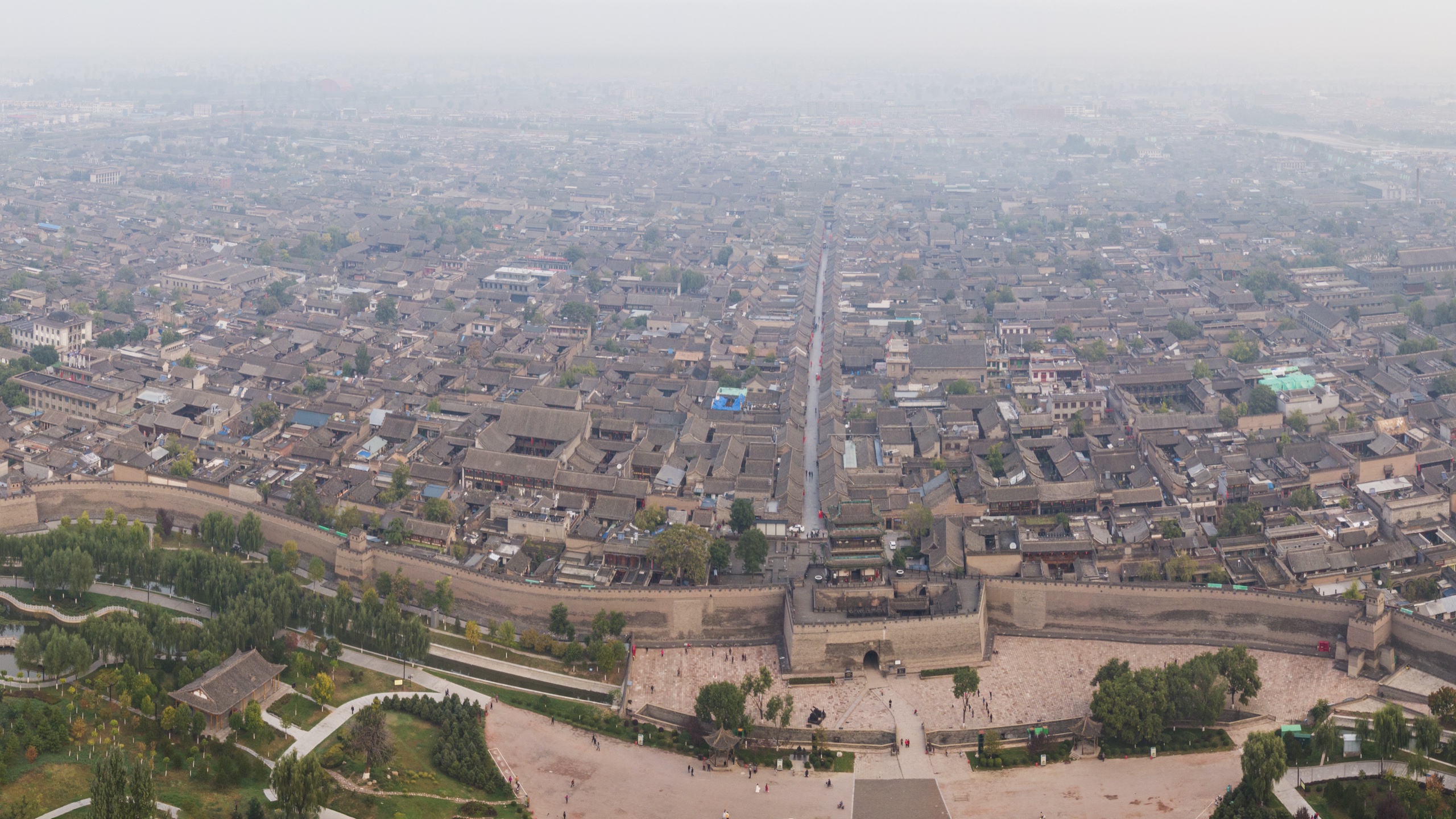
城墙围合出清晰的城市边界,城门连接城内街道与城外道路。俯瞰古城,防御体系、街巷和院落仍能被完整阅读。The wall defines a clear urban boundary, while its gates connect inner streets with roads beyond. From above, the defensive system, lanes and courtyards remain legible as one structure.
街巷与院落Lanes and courtyards
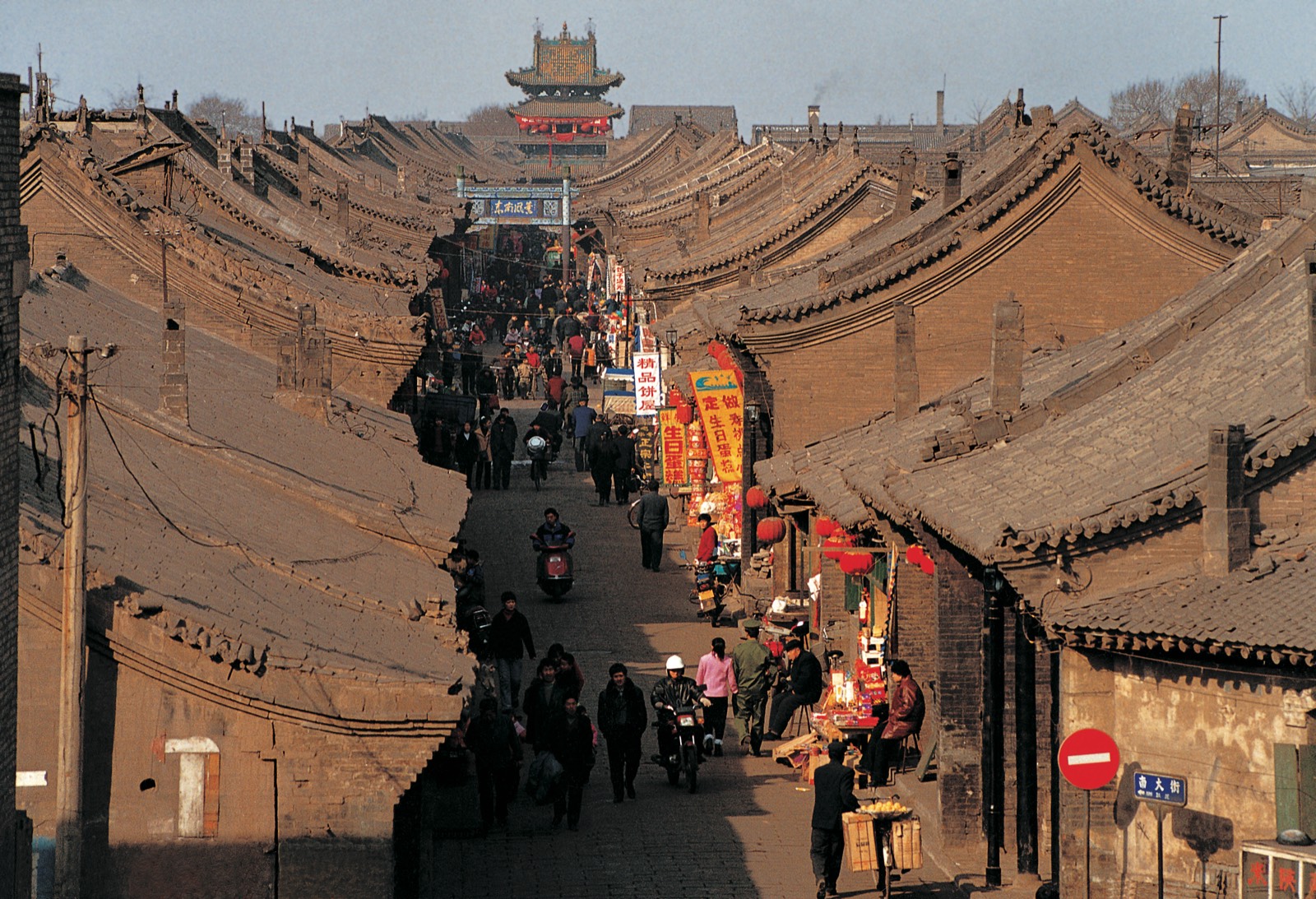
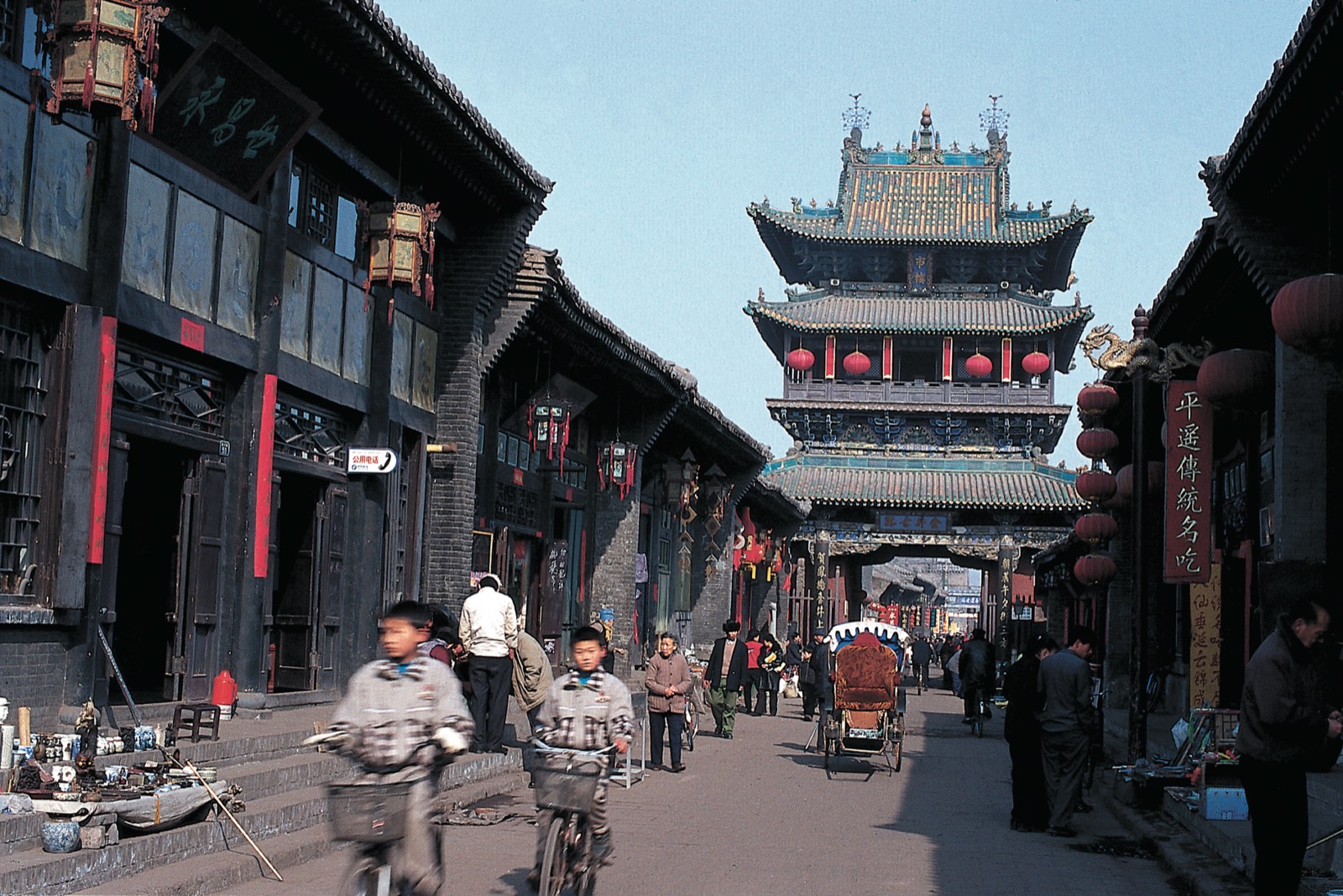
南大街是主要商业轴线,支巷通向民居、店铺、庙宇与县衙。建筑尺度紧凑,步行成为理解城市最直接的方式。South Street forms the main commercial axis. Side lanes lead to homes, shops, temples and the county government complex, keeping the city intimate and walkable.
市井与节俗Everyday life and tradition
饮食、戏曲、节庆和手工技艺继续进入居民生活。古城并非只供观看的历史标本,它的文化仍在日常使用中变化。Food, opera, festivals and craft continue through local life. The ancient city is not a historical specimen for viewing; its culture keeps changing through daily use.
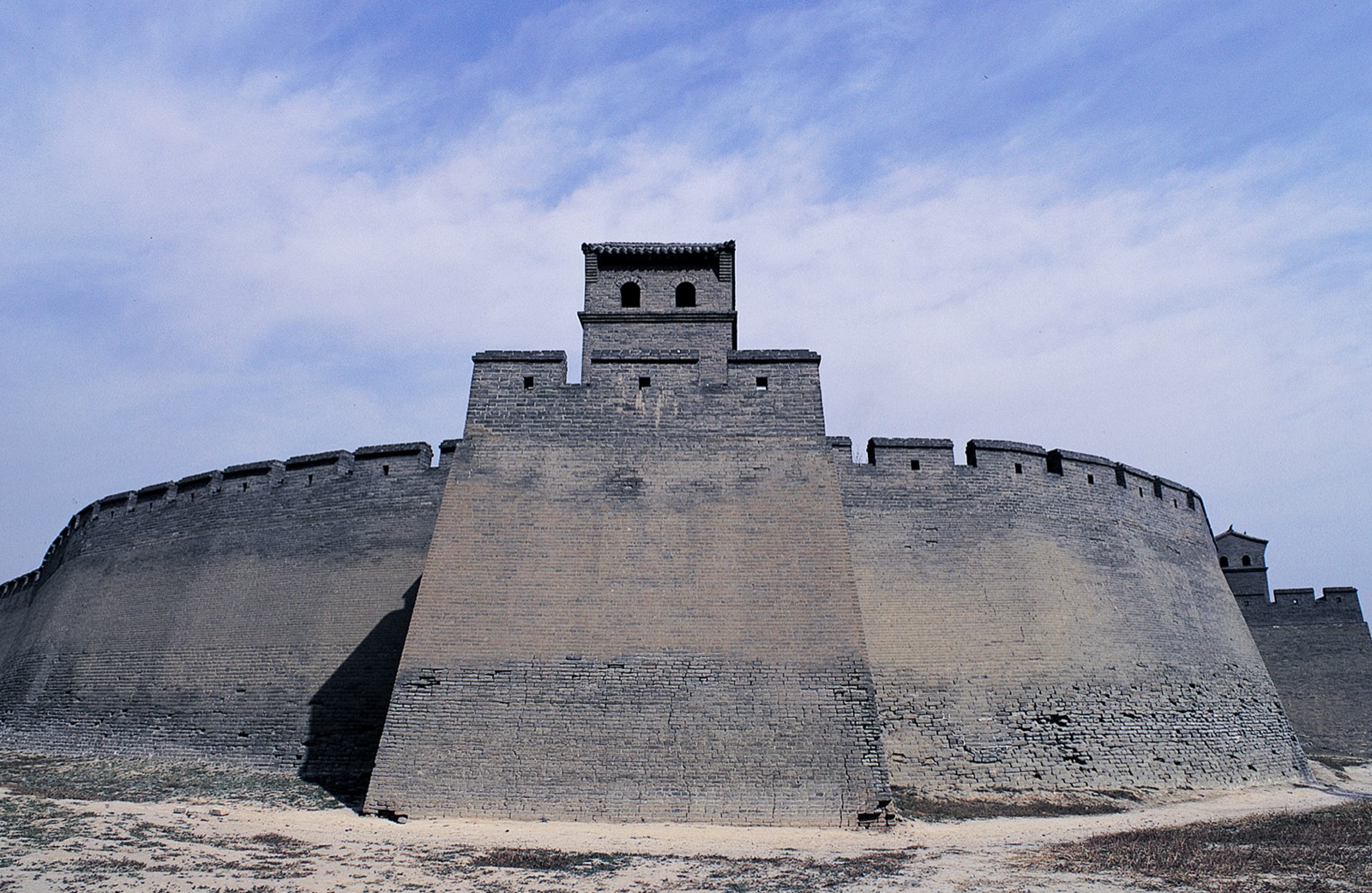
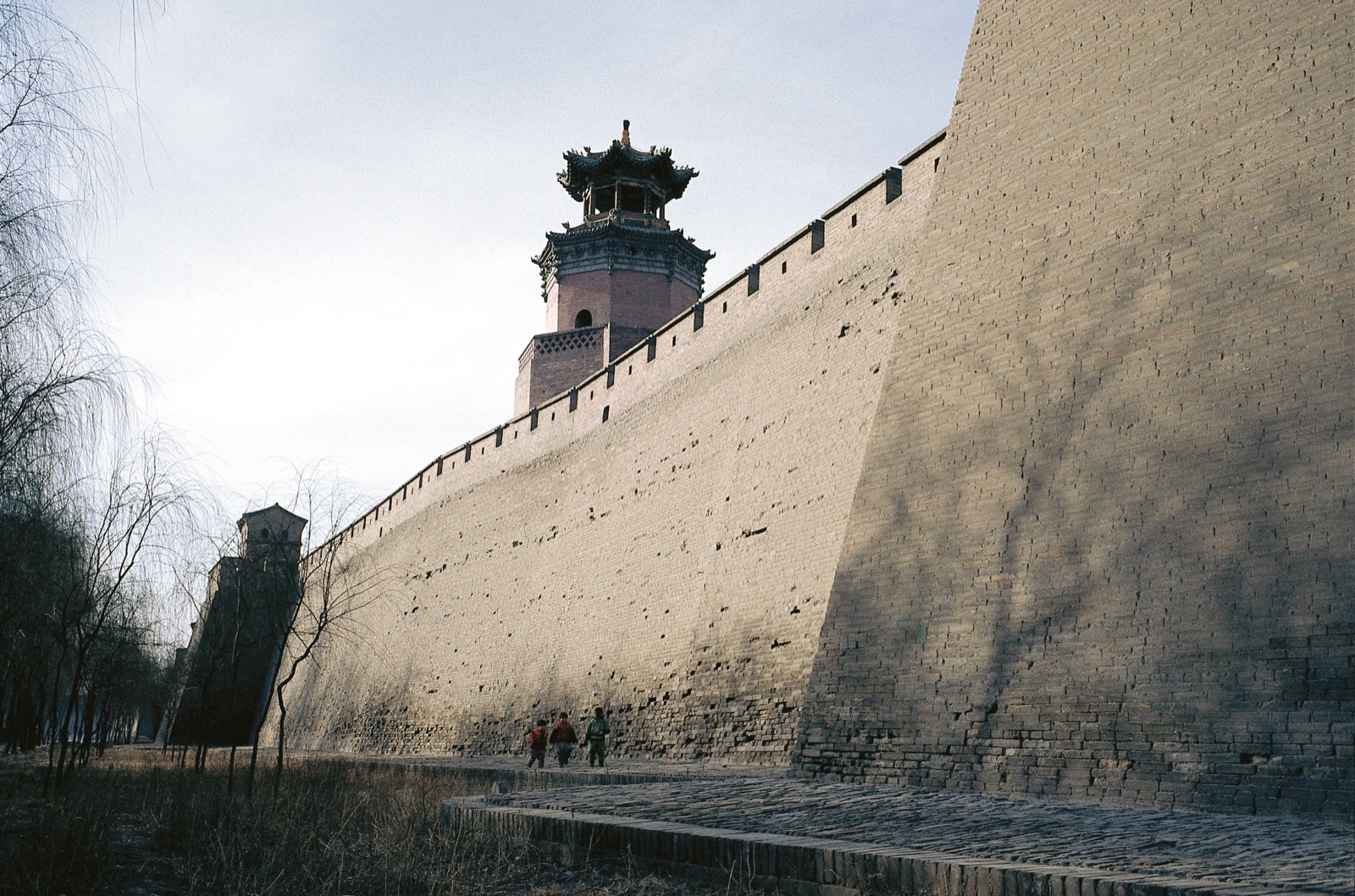
城墙马面与防御结构A wall bastion and the defensive structure城墙与魁星楼The city wall and Kuixing Tower
日昇昌旧址现场照片,来源 Wikimedia CommonsRishengchang Exchange House, via Wikimedia Commons
晋商、票号与镖局Merchants, draft banks and biaoju
清代,平遥成为重要的商业与金融中心。以日昇昌为代表的票号把汇兑网络延伸到中国多地,商人依靠严密的账目、组织与信用经营远距离贸易。During the Qing dynasty, Pingyao became an important commercial and financial centre. Draft banks led by Rishengchang extended remittance networks across China, built on disciplined accounts, organisation and trust.
当银两与货物离开柜台,镖局承担护送、联络和辨认路线的责任。票号与镖局一内一外,连接城门、驿站、商路与远方市场,也让守信成为平遥鲜明的文化标签。When silver and goods left the counter, biaoju escort agencies protected travellers, maintained contacts and read the route. Together, draft banks and biaoju linked gates, way stations, trade roads and distant markets, making trust a defining value of the city.
晋商 Jin merchants票号 Draft banks镖局 Escort agencies商路 Trade routes
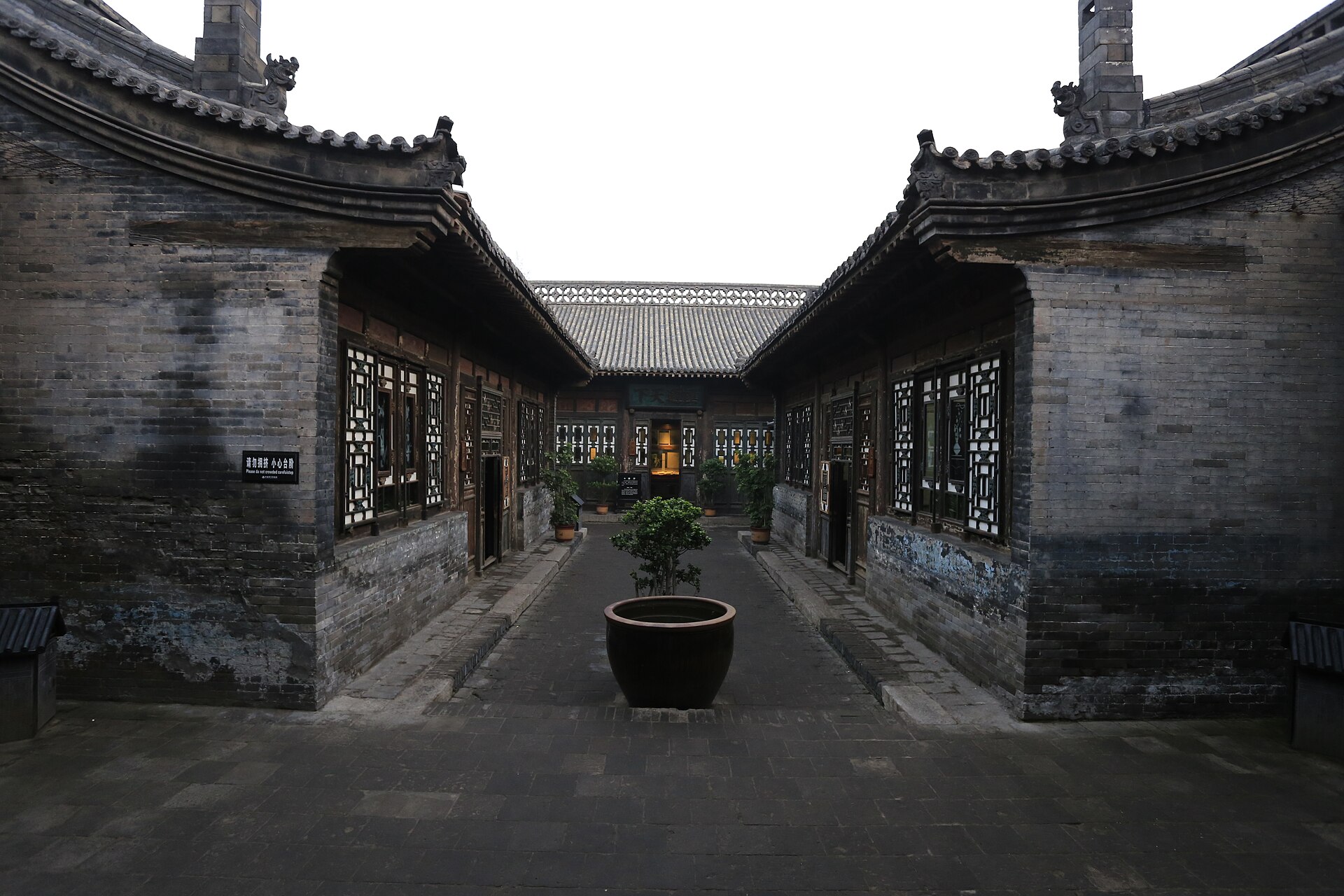
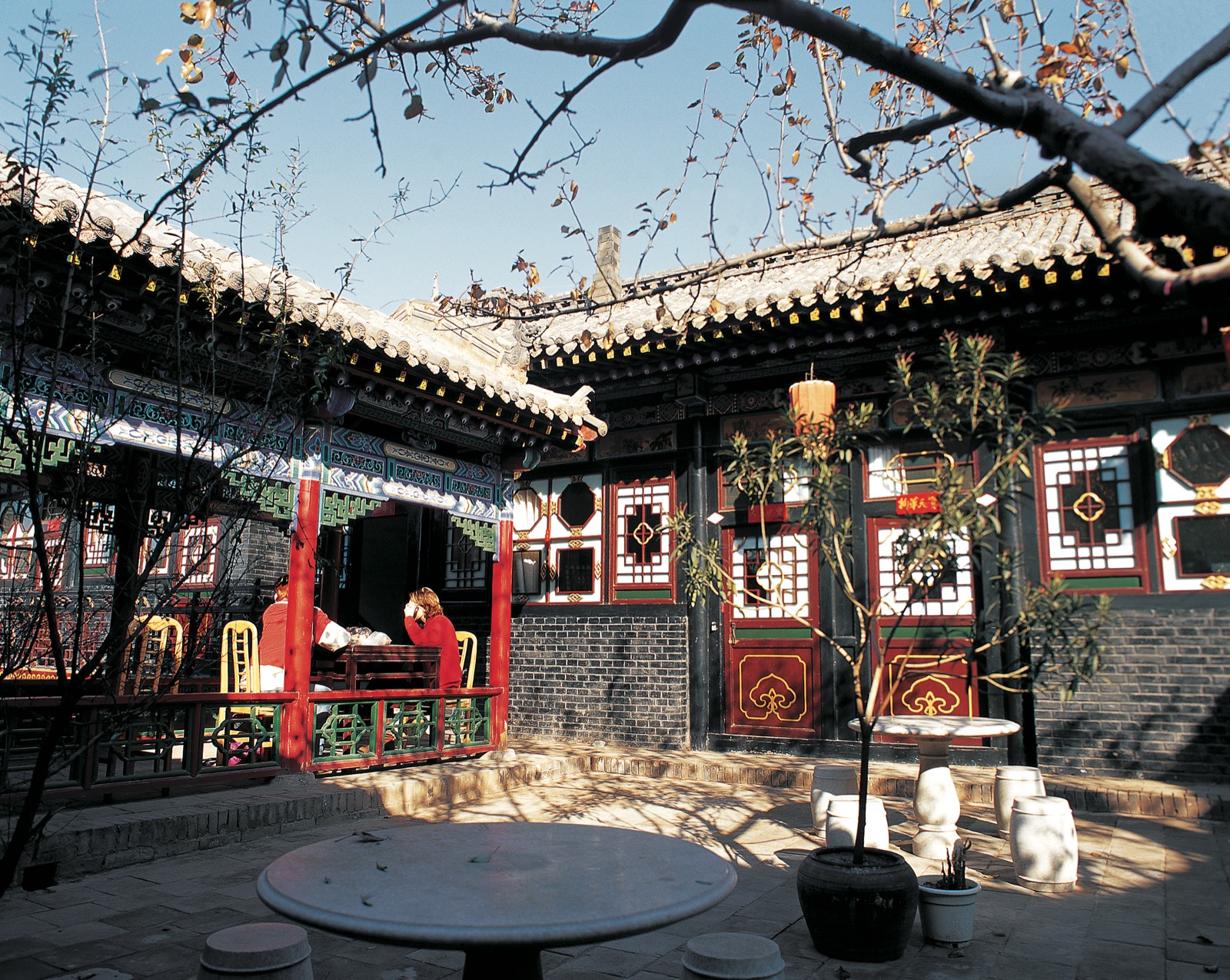
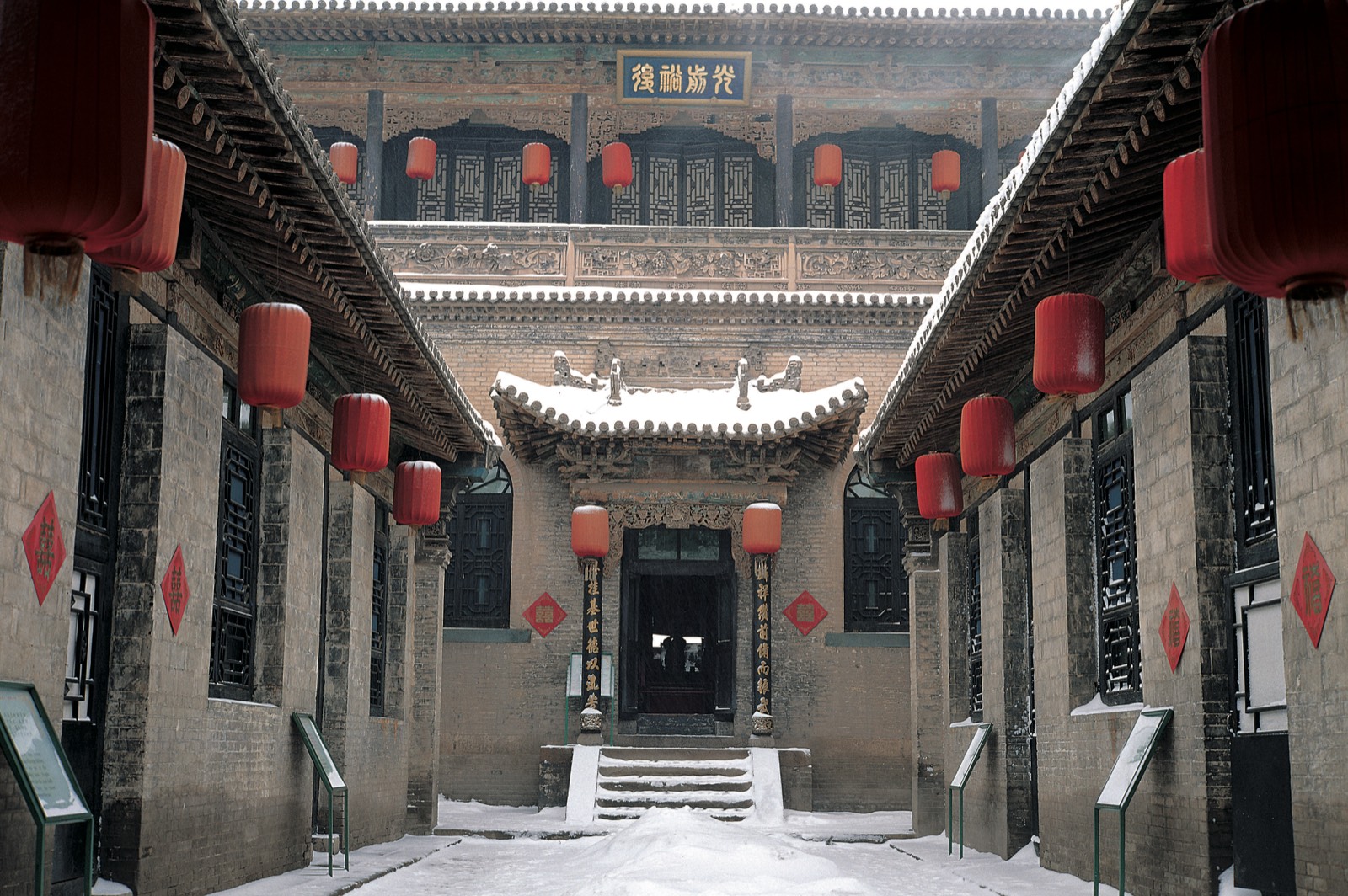
街巷与院落的不同尺度Different scales of street and courtyard
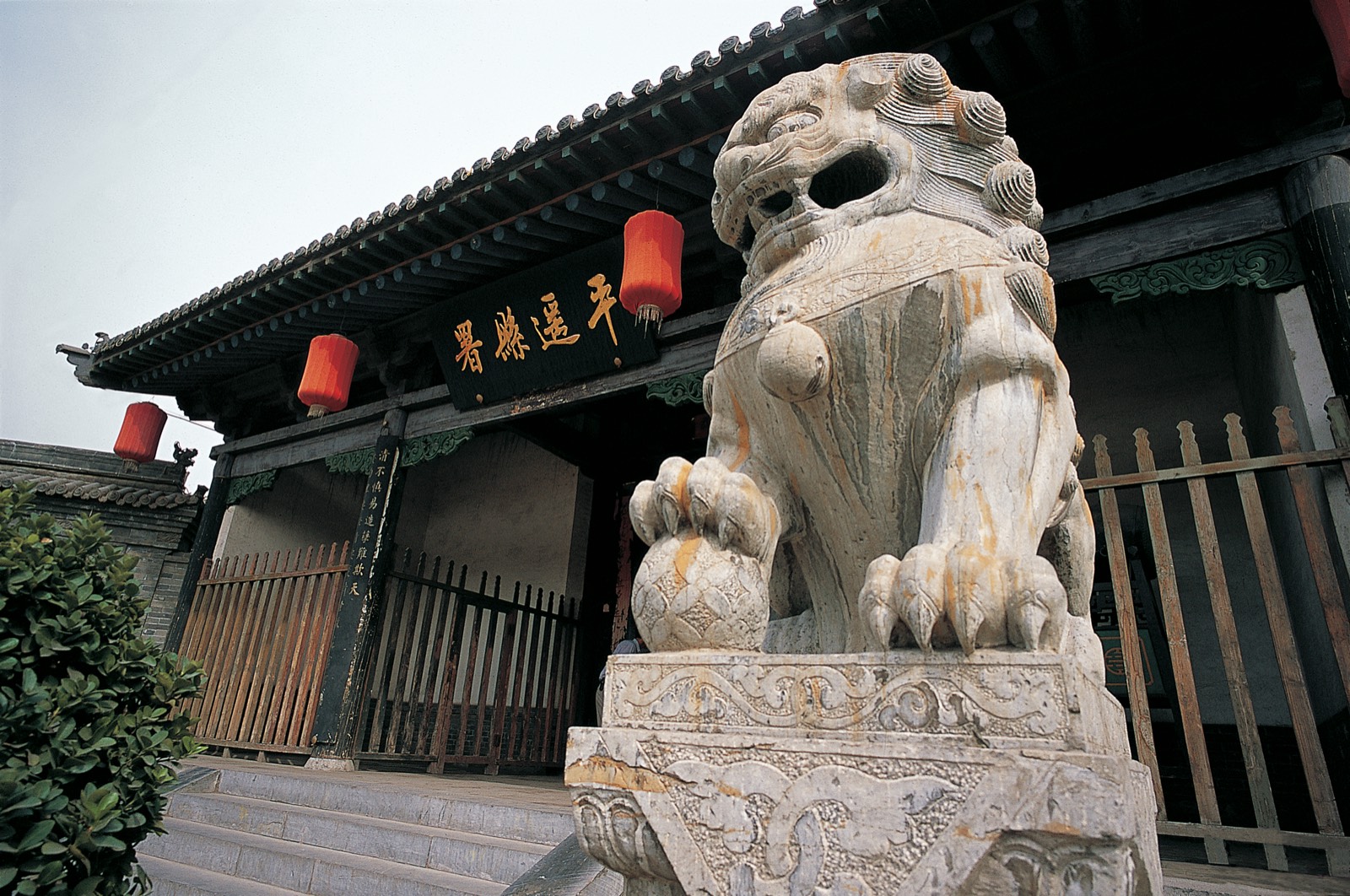
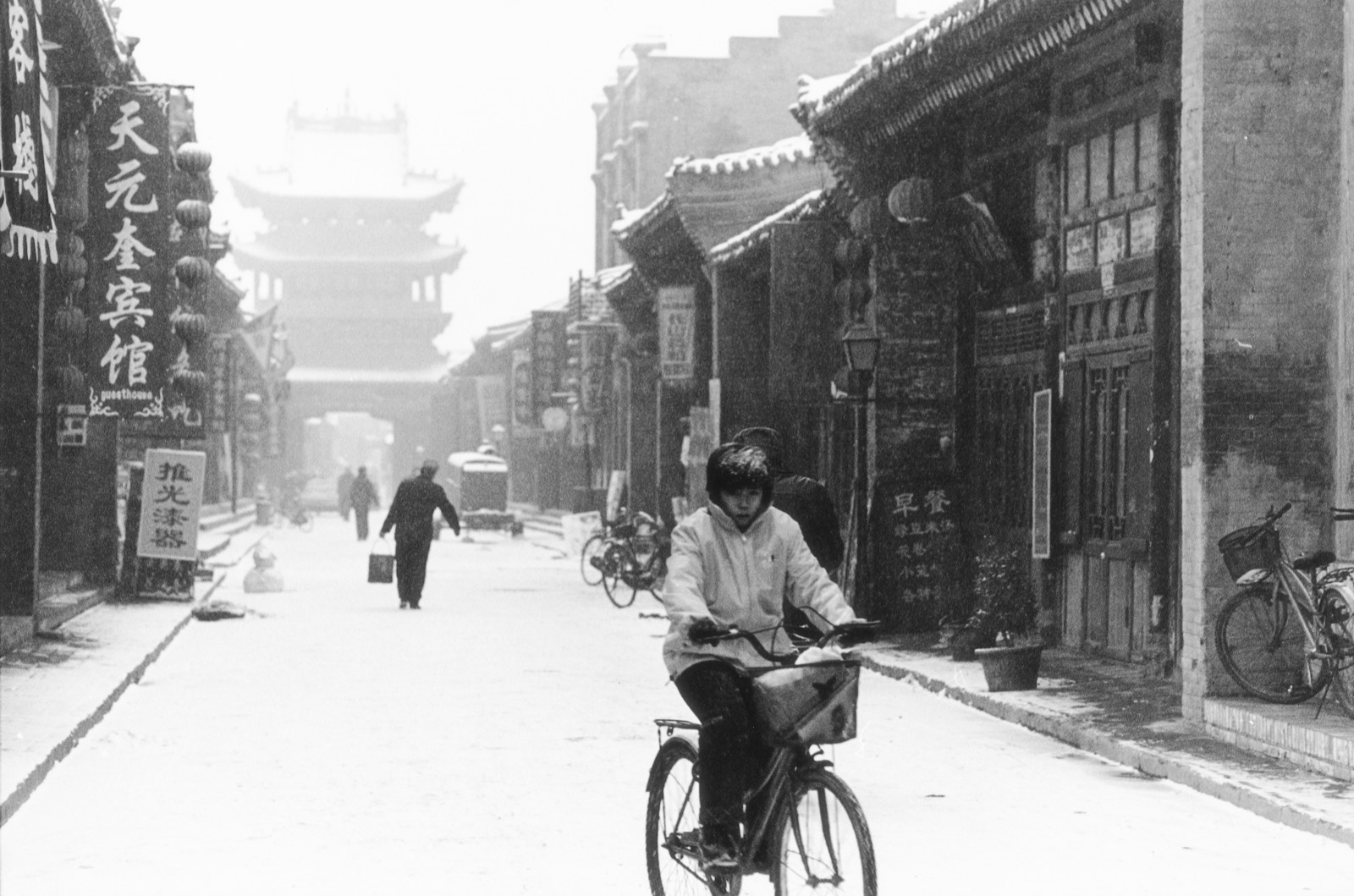
市楼下的街市、院落里的树影、门前石狮与冬日积雪,让古城的建筑秩序落回具体生活。Market streets, courtyard shadows, stone lions and winter snow return the city's architectural order to everyday life.
市楼下的街市The market street beneath the Market Tower传统院落中的日常Everyday life in a traditional courtyard雪后的传统院落A traditional courtyard after snow院落门前的石狮与木构Stone lion and timber entrance
双林寺与镇国寺SHUANGLIN AND ZHENGUO TEMPLES
再到两座寺庙Then, two ancient temples
两座寺庙位于古城之外,与古城共同构成世界遗产整体。双林寺以彩塑建立叙事空间,镇国寺则以五代木构保存建筑记忆。Beyond the city walls, the two temples form part of the same World Heritage property. Shuanglin builds narrative space through painted sculpture; Zhenguo preserves architectural memory in timber.
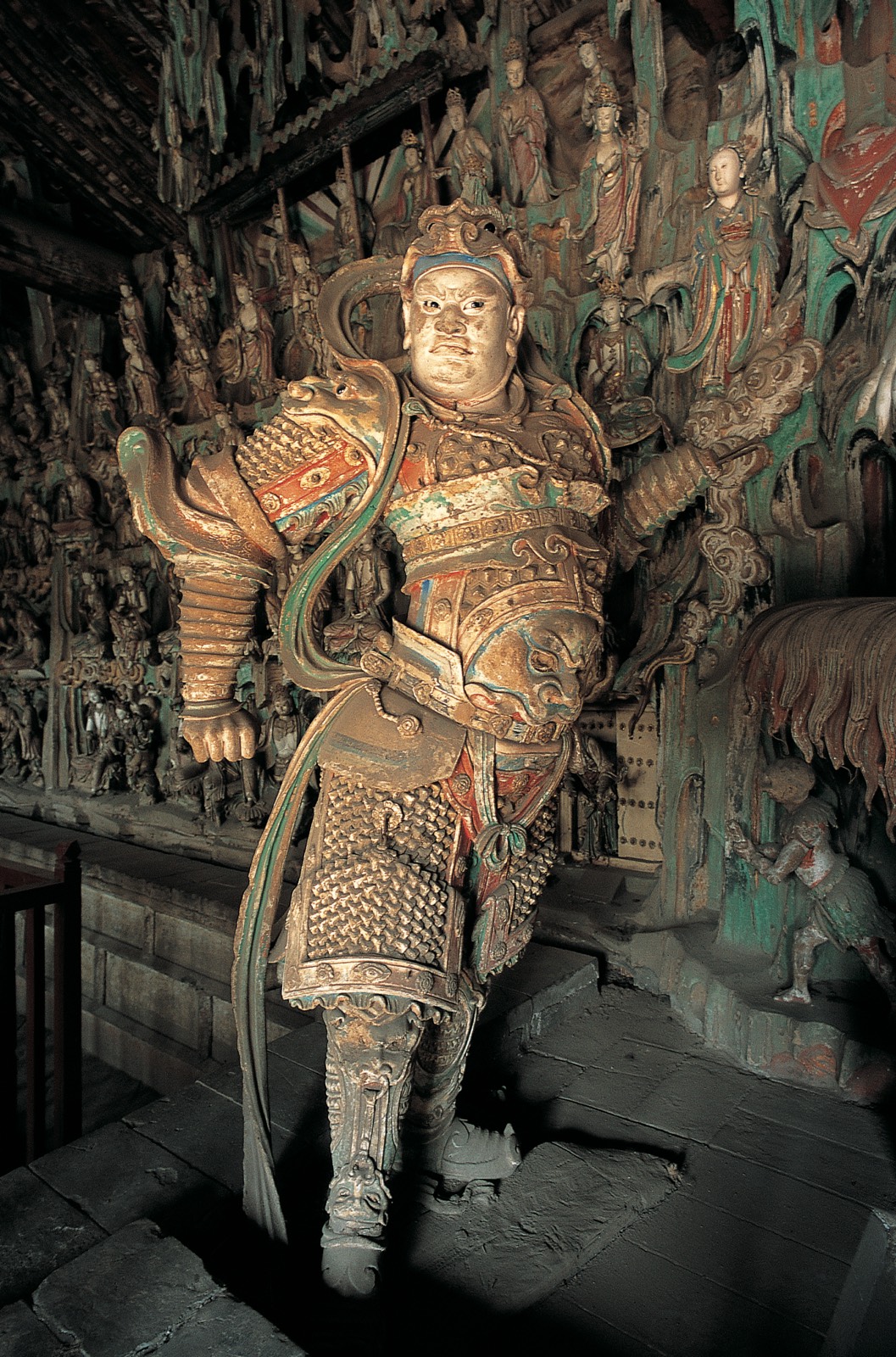
双林寺韦驮彩塑The Skanda figure at Shuanglin Temple
双林寺Shuanglin Temple
双林寺位于古城西南,以数量众多、保存丰富的彩塑闻名。现存塑像主要见证明清时期的营造与艺术传统。韦驮彩塑的身体重心、铠甲纹理与衣带转折,让力量和动势同时凝固在空间之中。Southwest of the ancient city, Shuanglin Temple is renowned for its extensive ensemble of painted clay sculpture. Its surviving figures largely reflect Ming and Qing craftsmanship. In the Skanda figure, shifted weight, detailed armour and curling ribbons hold physical power and movement within a single space.
观看重点Look closely韦驮像的身体重心、铠甲细节与飞扬衣带Shifted weight, armour detail and curling ribbons
艺术价值Artistic value建筑、塑像与壁面共同构成完整空间Architecture, sculpture and painted surfaces form one whole
镇国寺Zhenguo Temple
镇国寺位于古城东北。核心建筑万佛殿建于公元 963 年,是中国现存极少数五代木构建筑之一。低缓屋面、深远出檐与有力斗拱,让结构本身成为一部可以进入的建筑史。Northeast of the ancient city, Zhenguo Temple is centred on Wanfo Hall, built in 963. It is one of the very few surviving timber buildings from China's Five Dynasties period. Its low roof, deep eaves and powerful bracket sets turn the structure itself into an architectural history visitors can enter.
观看重点Look closely万佛殿的斗拱、出檐与木构比例Bracket sets, deep eaves and timber proportions
历史价值Historic value公元 963 年建成的珍贵五代木构遗存A rare timber survival completed in 963
镇国寺万佛殿现场照片,来源 Wikimedia CommonsWanfo Hall at Zhenguo Temple, via Wikimedia Commons
当代平遥CONTEMPORARY PINGYAO
最后,回到今天Finally, return to the present
文化遗产并没有让平遥停在过去。居民生活、遗产保护、公共文化与国际节展在同一座城中并行,新的观看方式也由此不断发生。World Heritage status has not suspended Pingyao in the past. Daily life, conservation, public culture and international festivals continue side by side, creating new ways to see the city.
雪中的古城街道An ancient-city street in snow
日常让古城持续生长Everyday life keeps the city growing
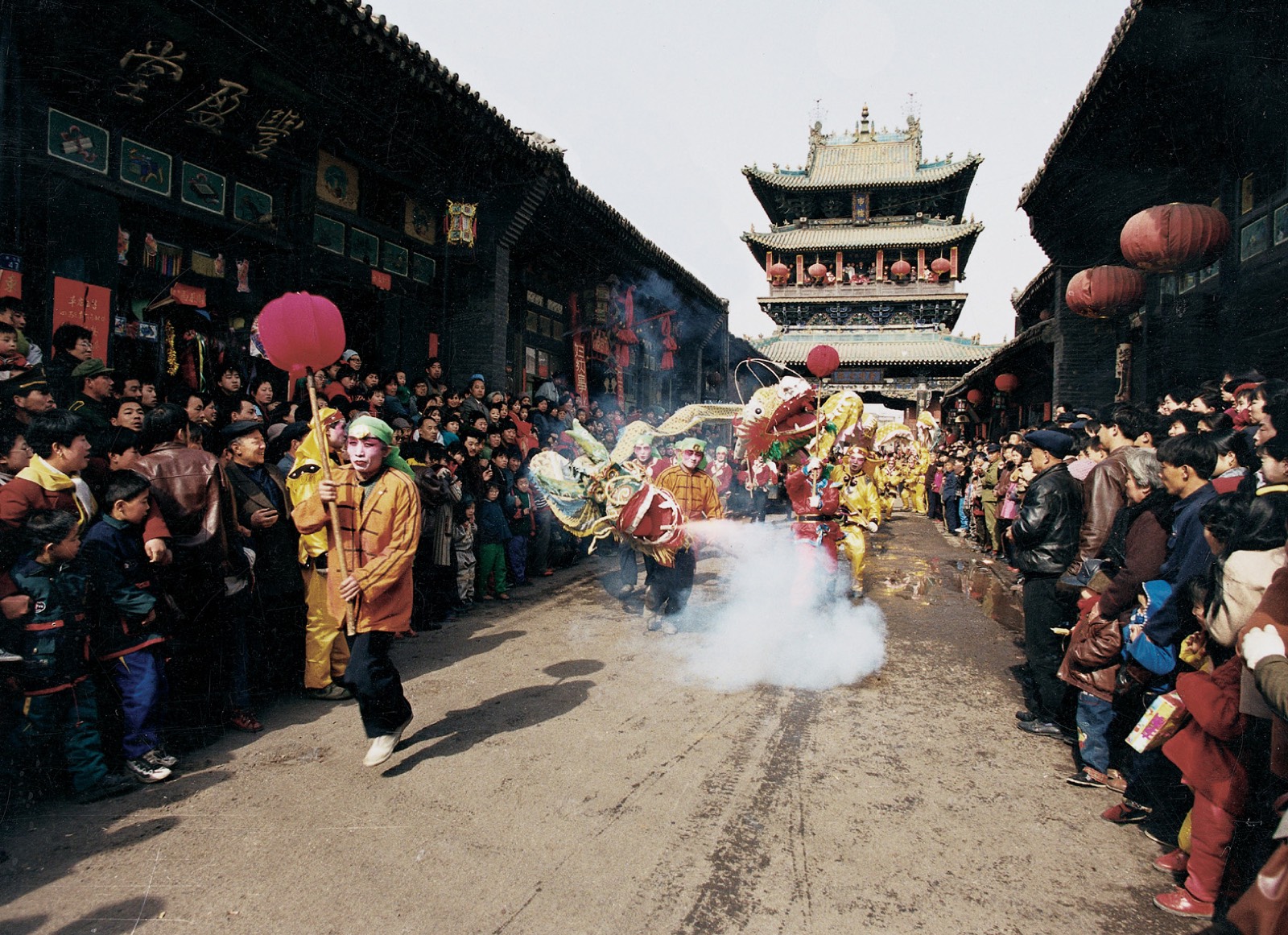
自行车穿过雪后的街道,舞龙队伍进入人群。不同年代的生活场景说明,平遥的文化始终由真实的居民与公共活动共同延续。Bicycles cross a snowy street and a dragon dance moves through the crowd. Across different moments, residents and public life continue to carry Pingyao's culture forward.
古城街头的舞龙活动A dragon dance in the ancient city
平遥国际摄影大展 2026 官方视觉Official visual for PIP 2026
古城也是一座当代文化现场The ancient city is also a contemporary cultural site
活态古城A living ancient city
居民、店铺、学校与公共服务仍在城内运行,遗产空间也是生活空间。Residents, shops, schools and public services remain active inside the walls. Heritage space is also living space.
保护与更新Conservation and renewal
对城墙、院落、寺庙和街区的保护,需要与社区生活、公共文化及城市发展共同推进。Protecting walls, courtyards, temples and neighbourhoods must move together with community life, public culture and urban development.
国际影像现场An international site for photography
自 2001 年起,PIP 让摄影进入厂房、街巷与公共空间,古城由历史现场延伸为当代影像的相遇之地。Since 2001, PIP has brought photography into former industrial buildings, lanes and public spaces, extending the historic city into a meeting place for contemporary image culture.
一座城,一个展场The Ancient City for Photographic Exposition